To measure the actual state of web infrastructure, I engineered a lightweight web auditing script to test 1,000 Japanese and 1,000 Austrian websites against modern benchmarks, including HTML5, HTTPS, valid domain redirection, responsive design, and WCAG compliance via aXe. The audit proved a significant technical gap: Austrian websites heavily outperformed Japanese sites in overall standard compliance (61.3% vs 36.0%). Yet, the data also challenged Western assumptions by revealing that Japanese sites actually scored higher in accessibility standards.
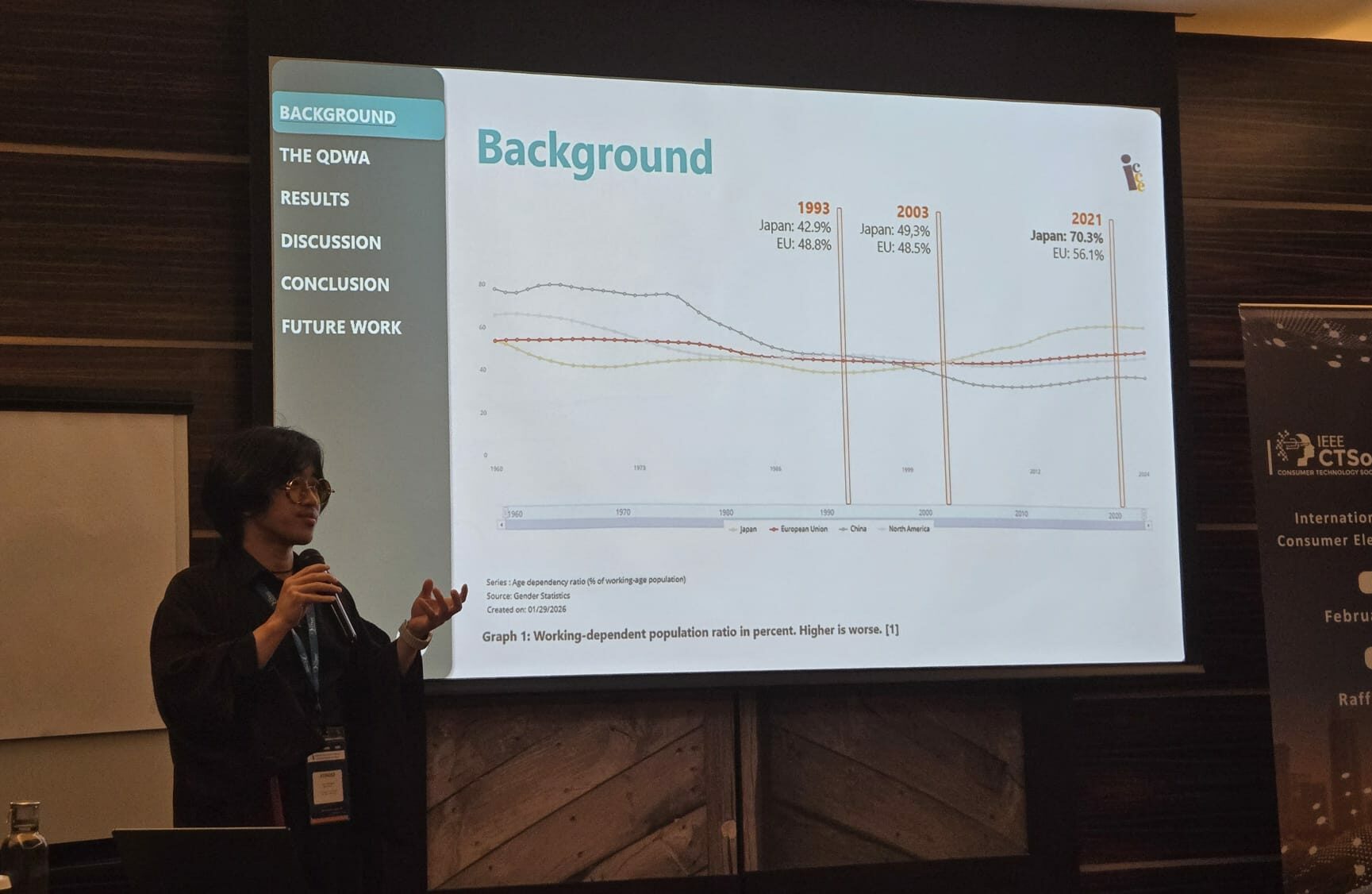
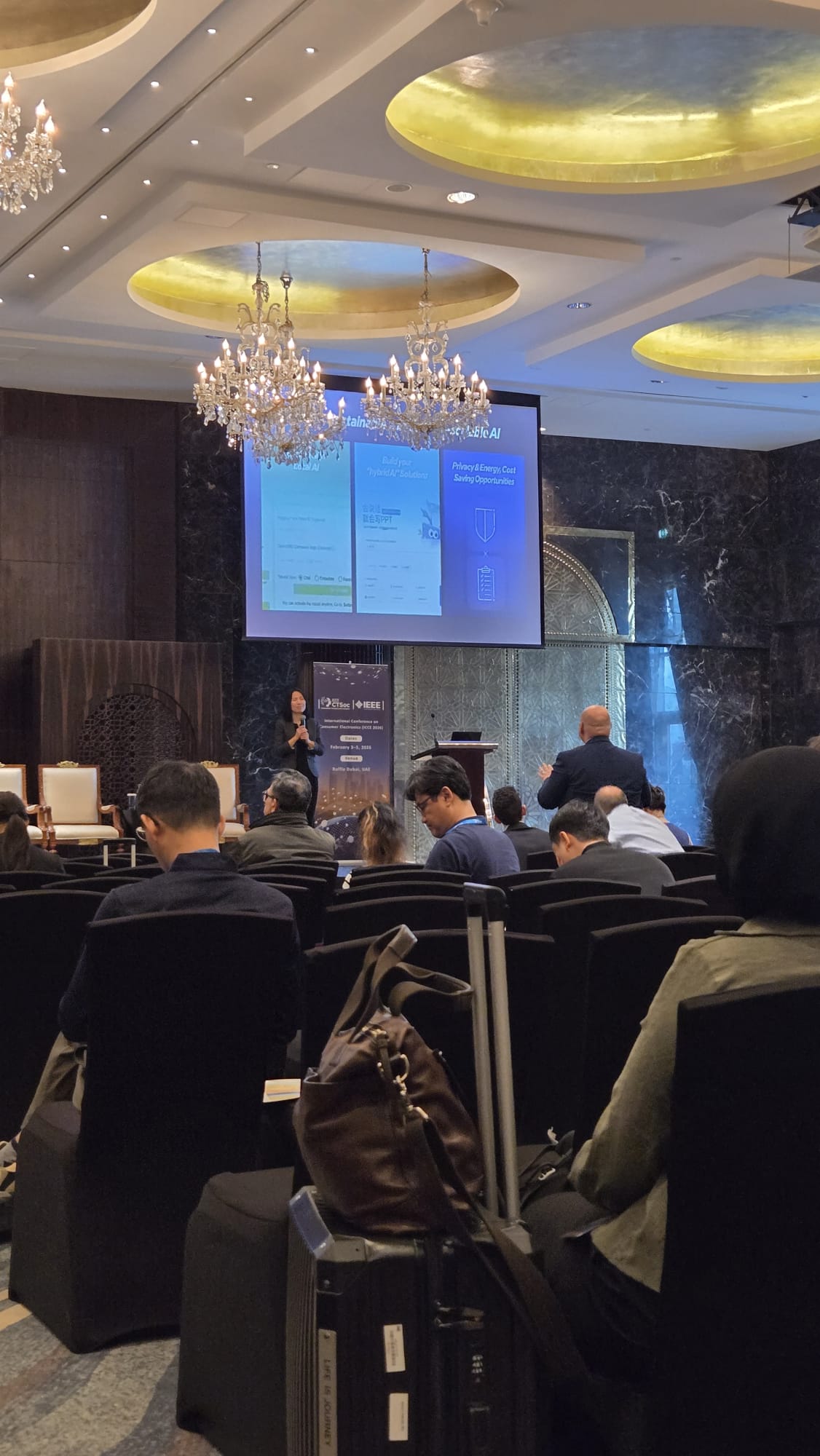
I published and presented these findings at IEEE’s International Conference on Consumer Electronics (ICCE) 2026, the academic track of the Consumer Electronics Show (CES) and the flagship conference of IEEE CTSoc. While ICCE is traditionally held in conjunction with the CES in Las Vegas, USA, the 2026 event was relocated to Dubai, United Arab Emirates, in response to US visa restrictions. Presenting on this uniquely historic international stage underscored the global relevance of this project, which highlights my ability to build automated testing pipelines to uncover the hard data behind cross-cultural UX friction.