The 48-Hour Fever Dream Dashboard: A Lightweight, Real-Time Minecraft Server Monitor
Picture this: I’m completely down for the count with a nasty bug, armed with nothing but hot tea, a laptop, and a sudden, burning need to know exactly what was happening on my Minecraft server at all times. Instead of sleeping it off, I spent the next two days building a lightweight, real-time Minecraft Dashboard from scratch.
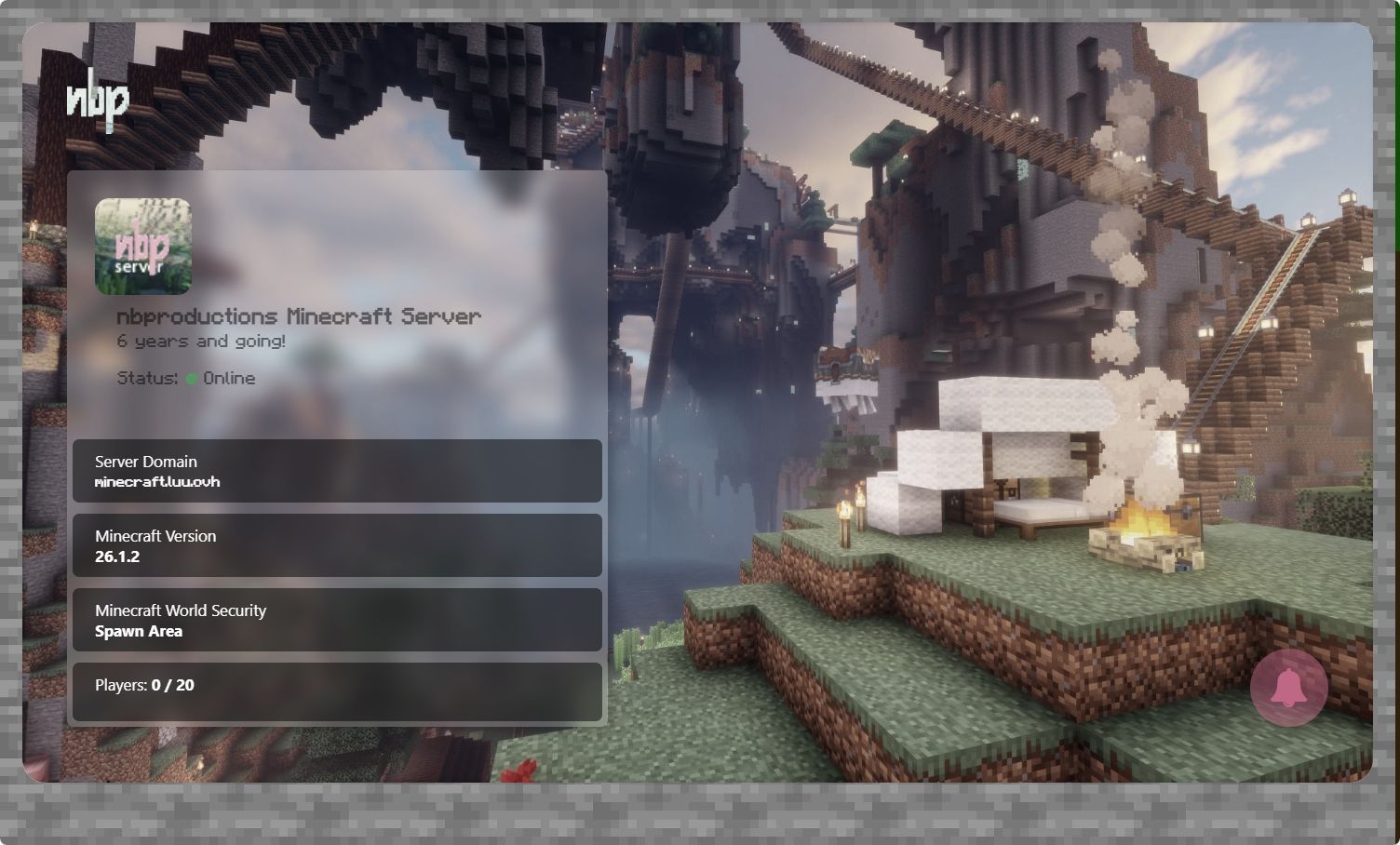
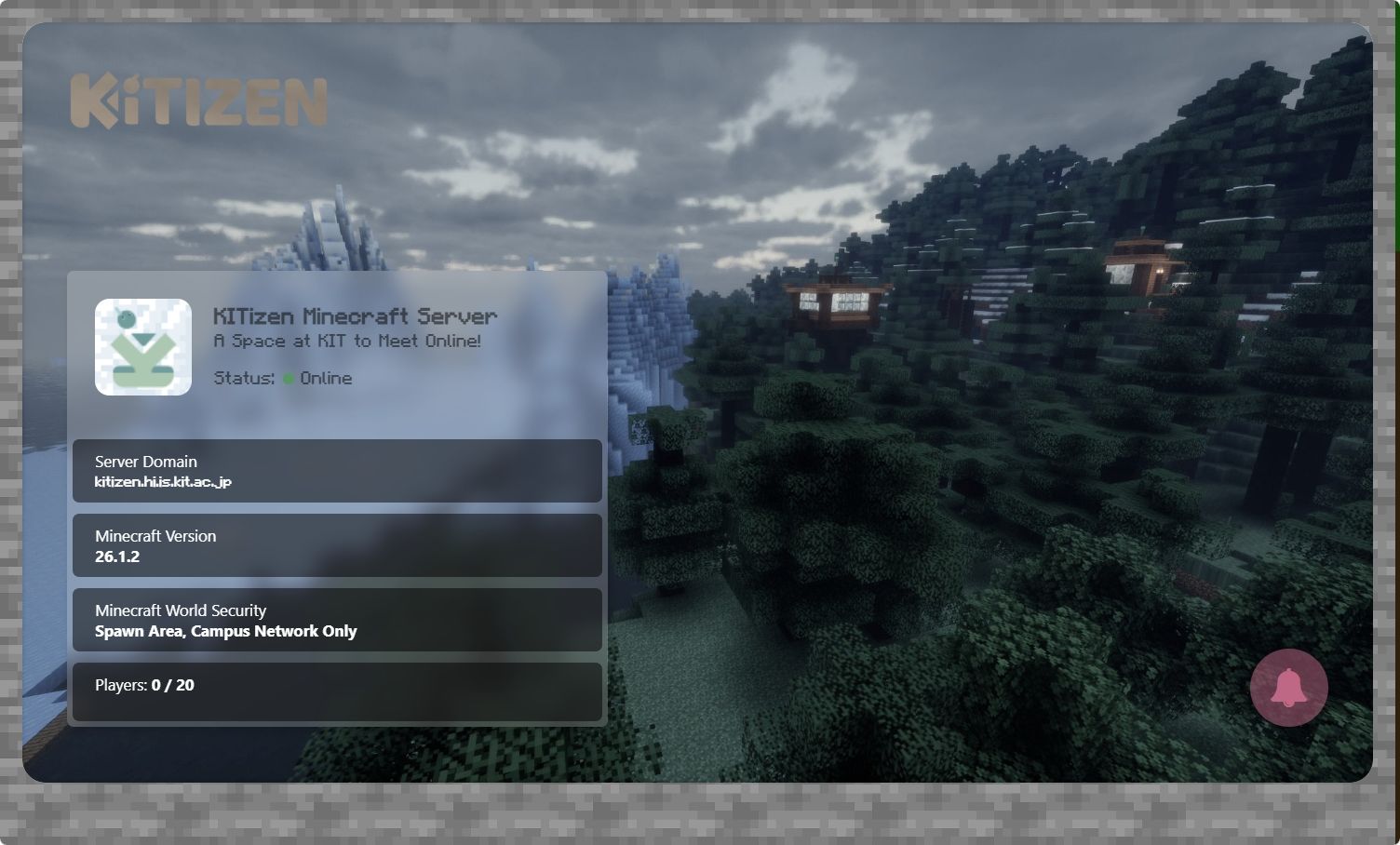
I started by building a Node.js and Express sidecar backend that cozies up right next to the active Minecraft server instance. It quietly eavesdrops on the server’s metadata—pulling the MOTD, server icon, player counts, and current version—and serves it all up via a custom REST API. For the frontend, I wanted it blazing fast and dependency-free, so I built it entirely in plain HTML, CSS, and vanilla JavaScript.
But I didn’t stop at just displaying raw data. I hooked into the mc-heads API to pull in the actual faces and skins of everyone currently online, and wired up the PaperMC API to gently nag me whenever a new server version drops. To make the UI feel alive, the dashboard’s background dynamically swaps out screenshots of our Minecraft world based on the real-world time of day and the server’s current uptime state. I even threw in a custom audio notification system—because if someone logs in to build a dirt hut at 2 AM, I want to hear that sweet sweet sound of hell. The ping is quite something, so you might want to stick around until someone logs into the server.
What started as a 48-hour sick-day distraction turned into a highly functional, full-stack micro-project that perfectly marries backend API design with dynamic frontend state management!